Handwriting Transcription
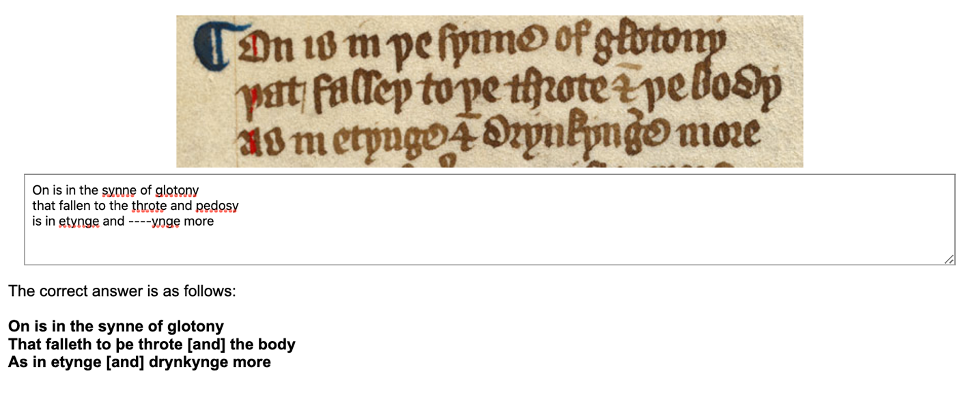
For this assignment I tried doing the University of Nottingham’s Interactive Exercises, which let you try to transcribe pieces of various medieval manuscripts, and copying Wilfred Owen’s first draft of “Dulce et Decorum est.”
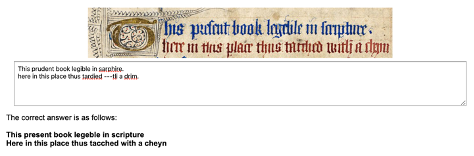
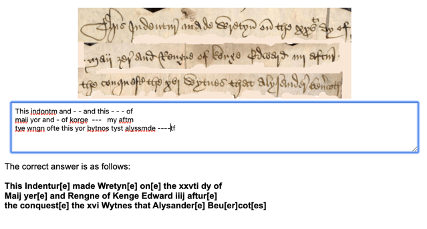
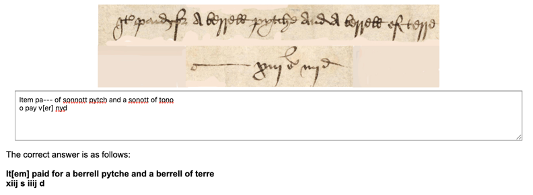
I found that the differences between modern handwriting and the various forms of script included in the Interactive Exercises were extensive enough to make interpreting them very challenging. Part of the difficulty came from the different spellings. It was hard to guess what a word could be because things were often spelled so differently from how we would spell them today. I also had a lot of trouble distinguishing the many medieval abbreviations, which often took the form of lines or swooped word endings. Interestingly, the blocky style of Textura Quadrata actually made excerpts much easier to interpret. The clearer breaks between letters helped me to identify them.
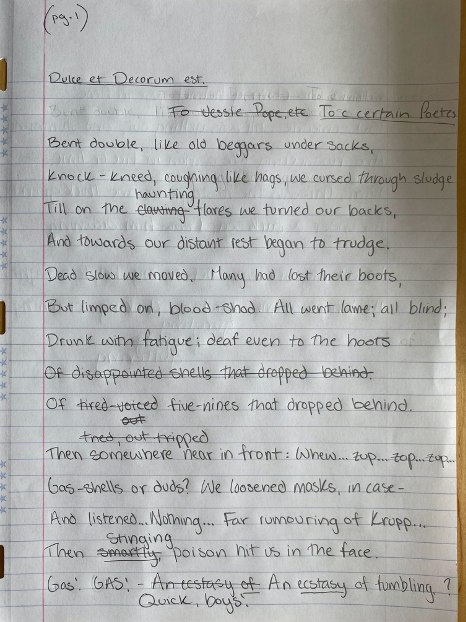
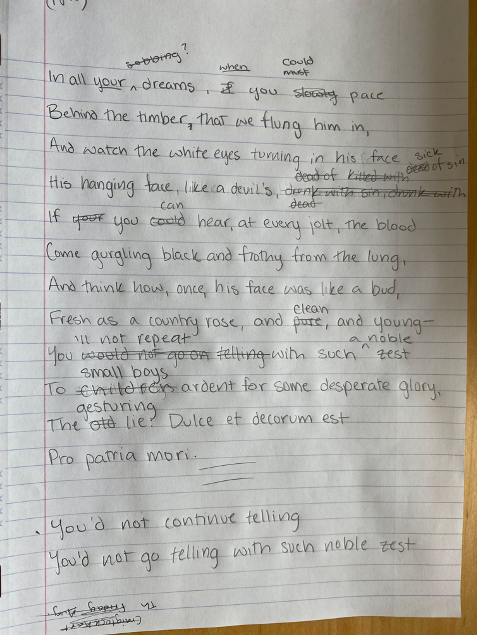
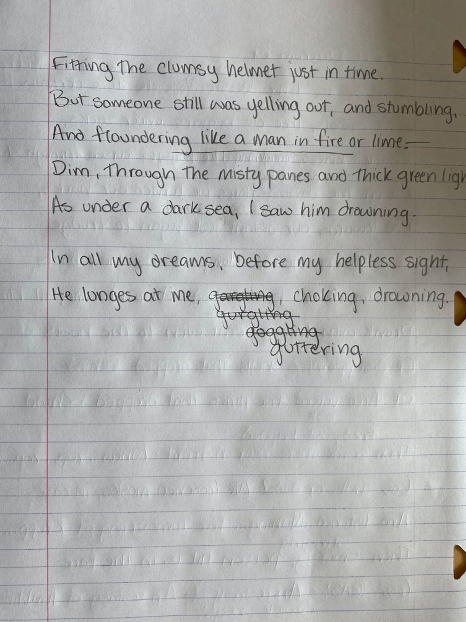
Wilfred Owen’s handwriting in his draft of “Dulce et Decorum est” was much easier to interpret. However, I found that punctuation was difficult to locate correctly. Because of the less regimented structure to Owen’s writing, sometimes it wasn’t clear where a comma or apostrophe should be placed. Additionally, the way that Owen made edits obscures his intentions. Where he has written multiple versions of a line it is sometimes unclear which he preferred. Because of these confusing details, it is easy to see why a modern editor of his text would have trouble using this document as a basis for a printed version of the poem.
Sources:
The University of Nottingham’s Interactive Exercises
Wilfred Owen’s Poetry Manuscripts

Leave a Reply