Descriptive Bibliography and Reflection
Descriptive Bibliography
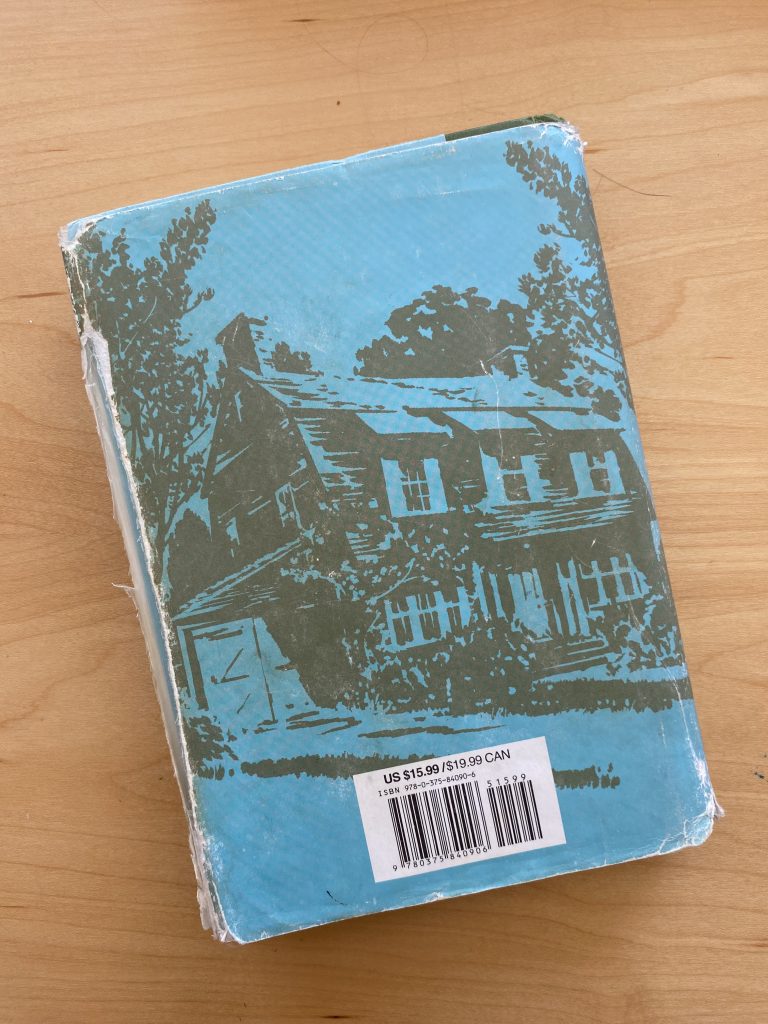
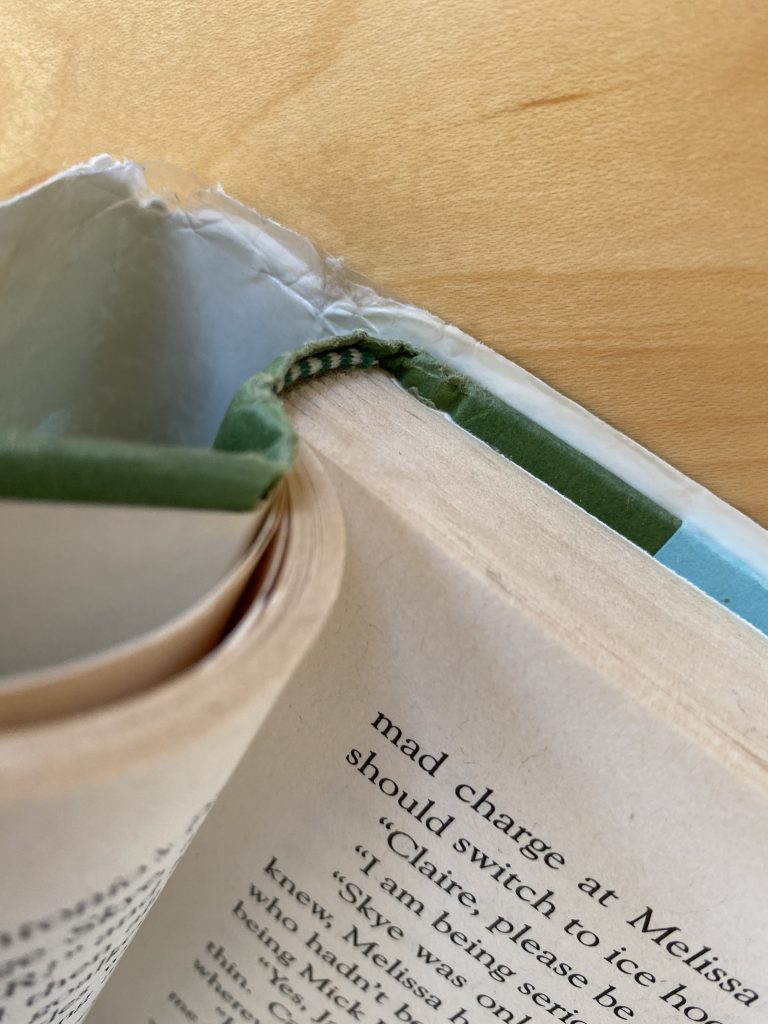
I have examined a copy of The Penderwicks on Gardam Street by Jeanne Birdsall in order to see what I can discover about the book by simply examining its physical attributes. The lack of an introduction, preface, or footnotes suggests that book was not academically edited. It is therefore unlikely to be a critical edition. The book is a hardback and the binding has been stitched, suggesting that it will be durable. The paper is thick and appears to be high quality as well. It is nice enough that it may have been given as a gift or bought to be part of someone’s bookshelf instead of a onetime read. Because of the quality of the book, it is probably more expensive than the average paperback novel.
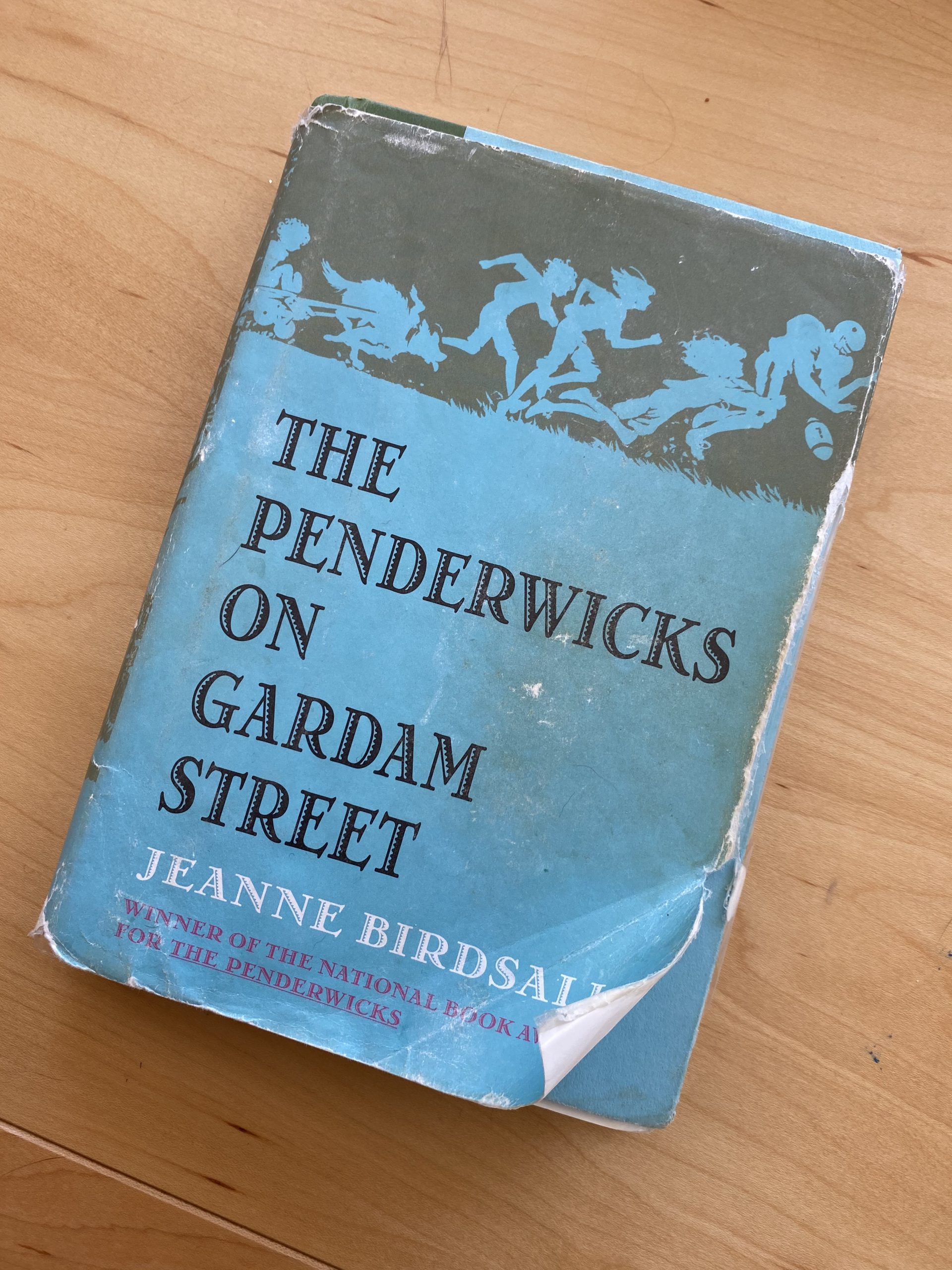
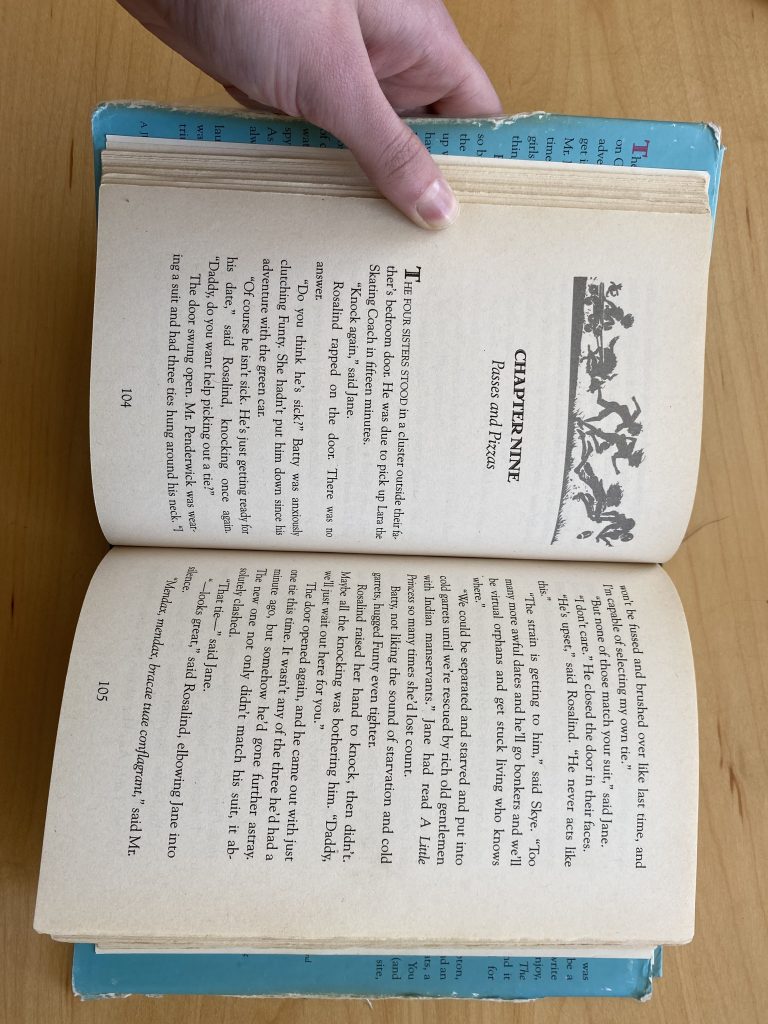
The book shows evidence that it is meant for children. Both the dust jacket and the hardback underneath are colorful in a manner that suggests it is not an academic text. However, it is not the vibrant or attention-catching color of a book that gains readership by attracting attention in a busy store; the book is one that people could have read about or heard of from an outside source and then sought out. Instead, the color seems to simply be a means of advertising the contents as pleasure reading. The illustration on the front is of kids and a dog, suggesting that these children are the primary characters of the book. If they are the main characters, it seems likely that the intended reader for the book is also a child. Though the novel is not illustrated, meaning it is probably not for very young children, the same image from the cover is repeated above each chapter heading, a detail that is uncommon in books for adult readers. The text inside is also larger than that of most adult or YA novels, though smaller than that of books for very young children. This could mean that the book is intended for a middle-grade reader.
Additionally, this particular copy of the text shows extreme use. The dust jacket has some discoloration and some sections have been worn down to the plastic or even ripped. The locations of primary wear, along the edges of the book where someone may have held it open to read, and the apparent high quality of the book suggest that the damage is due to repeated reading instead of the use of cheap materials. There is no ownership inscription and no marginalia. The lack of annotation could suggest that the book was not reread for an academic purpose but instead for fun.
Reflection
This assignment was particularly interesting because the book I was analyzing was one of my favorite books as a child, and I therefore knew why a lot of the things I observed were present. Trying to abstract myself from the book and discover facts that I already knew about it through sheer observation of physical attributes really opened my eyes to the implications of different aspects of the book. I wonder, however, how an individual’s use of a book can obfuscate information provided by its original physical format. For example, I was able to discern that this copy of “The Penderwicks on Gardam Street” was a well-made book that had been worn down through use instead of a poor quality object that had quickly fallen apart in part because I was the reader. Would I have made the same assumptions if I hadn’t had this inside knowledge? In what ways can a reader’s treatment of a book change the way it is interpreted by a book historian?
Because the dust jacket on this book wore away to reveal plastic, I am also led to several questions about dust jackets. Can the quality of a book also be determined by the materials that make up its dust jackets or are they all made of relatively the same things? If materials do differ, does plastic suggest a cheaper dust jacket or is it higher quality than a dust jacket of just paper? More broadly, I wonder what the presence of a dust jacket signifies in general.

Leave a Reply